BlogRevenue & adoption
Your team ignores the AI tools you buy. Here's why.
Most AI tools die because they add a new place to work. What adoption inside a real company actually requires.
Your team ignores new AI tools because each tool adds a new place to go, and the person who bought it is never the person who has to change habit. Nobody inside the company owns making the tool stick, so one training afternoon loses to the first busy Tuesday. Adoption starts when the system arrives inside the inbox, phone and screens your people already use, deletes a task they hate within the first week, and someone outside the business is paid to keep it running.
Why does every mid-sized company own a graveyard of AI subscriptions?
The pattern repeats across every industry we work in. The owner of a hospitality group sees a demo, and the demo is brilliant. They buy the tool, announce it at the Monday meeting, and everyone nods. Three months later two people use it occasionally and the invoice still goes out.
I have made this exact mistake in my own companies, more than once. So has nearly every owner I speak to, whether they run an accounting practice, a property development business or a recruitment firm. Each subscription felt like the answer on the day it was bought, which is why the pile grows so quietly.
Nobody cancels them either. Cancelling means admitting the thing failed, and everyone is too busy for that conversation, so the graveyard sits there on the company card.
Why do new tools add work instead of removing it?
Almost every tool on the market asks your team to come to it. A new login, a new tab, a new dashboard to check, a new place to keep updated. Your people already live somewhere, though. Their day runs through an inbox, a phone, a spreadsheet and whatever system their industry settled on years ago.
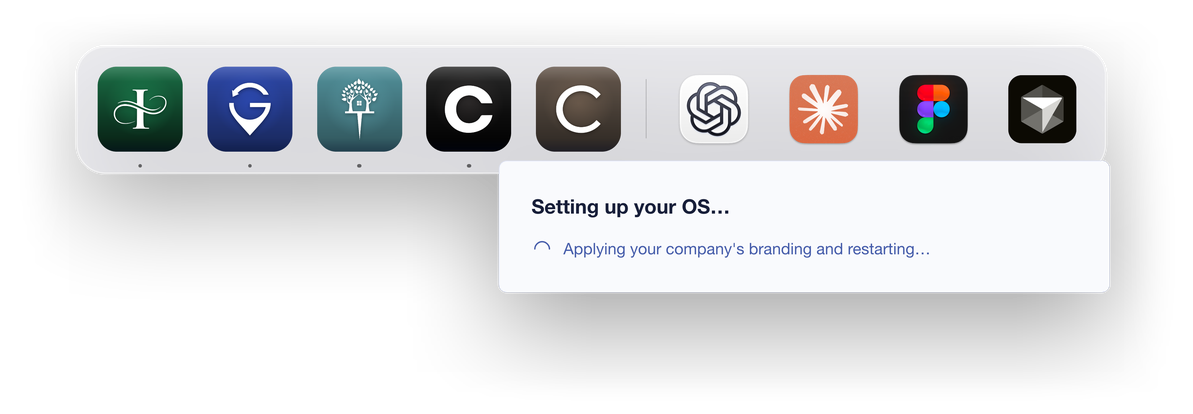
So even a good tool becomes one more stop on an already long round. A lettings negotiator between viewings, or a fee earner against a deadline, has to choose between the ringing phone and remembering to check the clever new thing. The phone wins every time, and it should.
Here is the test I now apply to anything we consider buying: does it remove work from a place my team already is, or does it add a place they have to remember? Most tools fail that test before the free trial ends.
Who actually has to change their habits?
Look at who attends the demo. The owner does, because the owner feels the chaos and the demo speaks the owner's language. The purchase is made from the top floor.
The habit change lands somewhere else entirely. It lands on the booking coordinator, the paralegal, the site manager, the recruiter whose inbox never stops. Those people were never in the room. Nobody asked which task they hate most or how their Tuesday actually runs. They received a login and an announcement.
That gap explains most of the graveyard on its own. The buyer's enthusiasm and the user's daily habit are two different currencies, and a demo only trades in the first one. Until someone converts one into the other, deliberately and over weeks, the tool stays exactly where it started.
Why doesn't one training afternoon make it stick?
Training day usually goes well. Everyone attends, follows along and agrees the thing looks useful. Then the next busy Tuesday arrives, a client escalates, a shift no-shows, a completion date moves, and everyone snaps straight back to the old way, because the old way is muscle memory and costs no thought.
Habit change needs repetition under pressure, and it needs someone whose actual job is to notice when things slip. Inside a company of thirty to two hundred people, that person does not exist. The IT contact keeps the lights on, the operations manager already has a full role, and the keen early adopter who loved the tool has a day job too.
Adoption is an orphan in most companies. Everyone wants it to happen and nobody is accountable when it does not.
Is your team quietly afraid of it?
There is a softer reason adoption fails, and owners almost never see it. Some of your people suspect the new tool is a rehearsal for replacing them. They will not raise this in a meeting. They will simply use it slowly, collect its mistakes, and let it die politely.
The only fix I have seen work is showing each person, task by task, that the system takes the part of their job they complain about at dinner and leaves the part they were hired for. The accounts assistant keeps the judgement calls and loses the copy-paste. The marketing account manager keeps the client relationships and loses the Friday reporting scramble.
When people watch their busywork disappearing while their name stays on the work, resistance turns into requests. The most common message we hear a few weeks in is some version of "can it take this bit too?"
What does adoption actually require?
Three conditions, and none of them appear on a feature list.
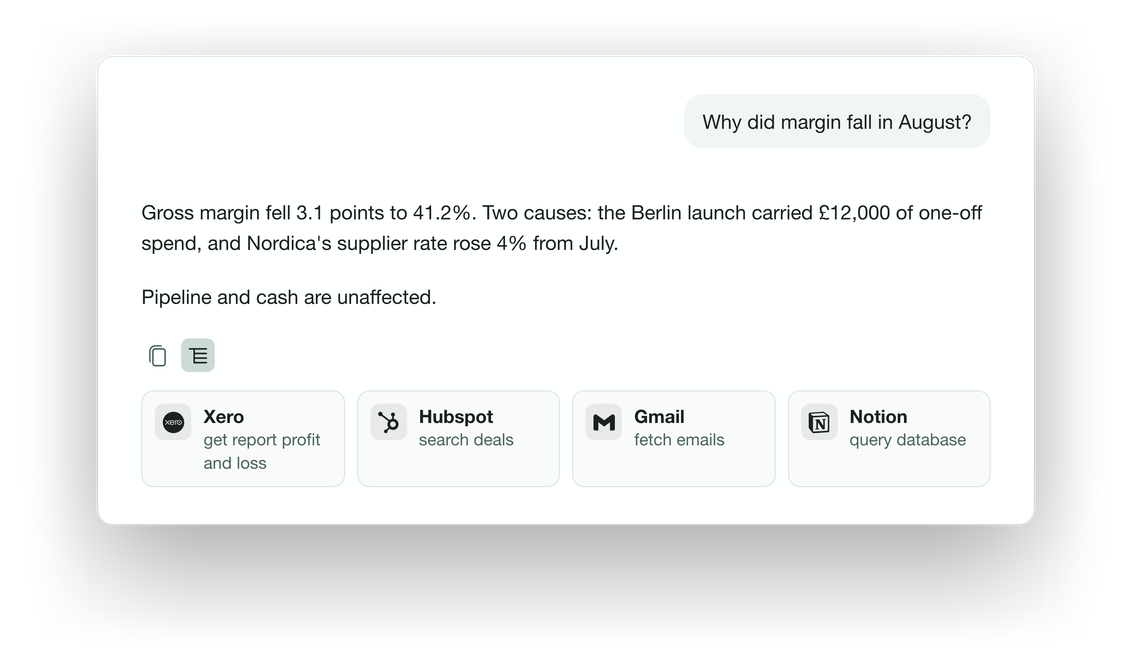
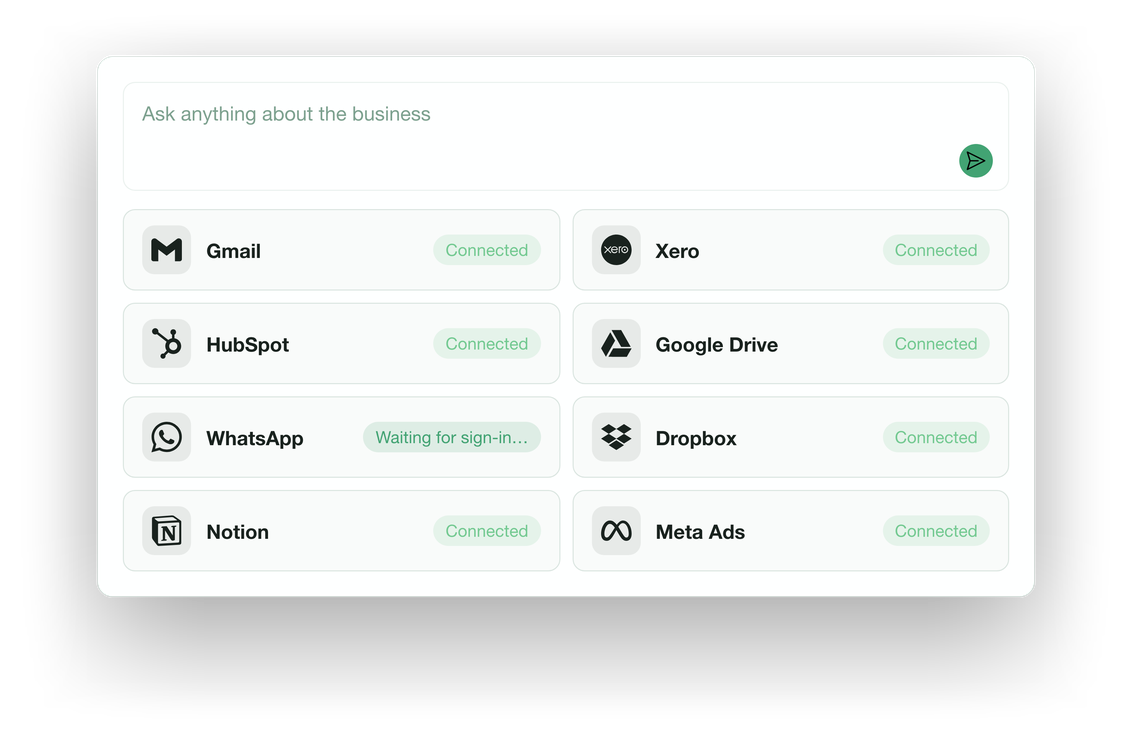
First, the system has to come to where your people already work. That means a short brief on your phone each morning, drafts waiting in the inbox your team already opens, one live screen of the whole company for anyone who wants to look, and plain-English answers from something that already knows your business. There is nothing new for the team to learn.
Second, it has to delete a hated task within the first week, because the first week decides the story your team tells each other about the system. If the inbox sorting or the weekly report has vanished by Friday, the story writes itself.
Third, someone outside the business has to be accountable for running it. Owners like this part least, because it means adoption is a service rather than a purchase. It is also why my company, Imperium, installs the system on site, then runs and improves it every month. When something slips, it is our name against the miss, and we are paid to notice before you do.
What should you do with the subscriptions you already pay for?
Cancel most of them, calmly. Go through the list with one question: has anyone touched this in the past month without being reminded? Unprompted use is the only adoption signal worth trusting. In my experience the survivors are usually one or two tools out of a long list, and they are the ones sitting inside a habit that already existed.
Then change how you buy. Start from the hated task instead of the demo. Ask each department head which single piece of their week they would pay to never do again, and judge everything against that answer. A tool that removes a named, hated task has a chance of living. A tool that promises general cleverness across everything will join the graveyard with the rest.
When do you know it has finally stuck?
I run my own companies on the same AI Operating System we install for clients, so I have watched the exact moment adoption happens more times than I can count. It is always the same moment. A head of department opens a piece of drafted work, a proposal, a rota, a client reply, reads it, changes a couple of lines, and presses approve instead of writing the thing from scratch.
Something shifts in that press. Before it, the system was the owner's project. After it, that manager defends it in meetings, because the work still carries their judgement and their sign-off while the blank page has gone.
Approval is the hinge because a person stays in charge of every action. Nothing goes out without a human saying yes, and that single rule is what lets your most sceptical manager take the first step.
If you would like to see what that moment looks like inside a company like yours, I would be glad to show you the system running.